Good Standing
Good standing indicates that a student is eligible to continue and is free from financial obligation to the university. A student under academic disqualification, disciplinary suspension or disciplinary expulsion is not eligible to receive a statement of good standing on transcripts issued by the university or on other documents.
Continuous Attendance and Catalog Rights
Students who have been enrolled either at a California Community College or a CSU campus for at least one semester or two quarters of consecutive calendar years are considered to be “in continuous attendance.”
This concept is important because continuous attendance affects the requirements you must meet to graduate from a CSU campus. Institutions occasionally modify graduation requirements. If you have been in continuous attendance, you may choose to meet the CSU campus graduation requirements in the CSU catalog that was in effect under one of the following:
- At the time you began continuous attendance at the California Community College.
- At the time you transferred to the CSU campus.
- At the time you graduate from the CSU campus.
By maintaining continuous attendance and selecting option (1) or (2), you can be assured that your CSU campus graduation requirements will not change. Your right to choose one of these options is called “catalog rights.”
If you do not remain in continuous attendance, you will reestablish catalog rights at the time you reenroll in any California Community College or begin attending a CSU campus. If you are unsure about your catalog rights, you should consult your community college counselor or Office of the Registrar.
Stop-Out Policy
With certain exceptions, undergraduate students may be absent for two semesters and maintain their continuing student status. This includes election of curriculum requirements for graduation and eligibility to register for the next semester. To qualify for the stop-out policy, the student must have completed at least one semester in residence following his or her most recent admission to the university. The exceptions are as follows:
Disqualified Students - Students who are disqualified at the end of a semester and have not been reinstated will not receive a registration appointment; they must apply for readmission, and if admitted, may be subject to new curricula requirements.
Foreign-Visa Students - Students with foreign visas are required to maintain continuous enrollment. The stop-out policy is not applicable to “visa” students.
Recently Admitted Student in First Term of Attendance - Students may not use “stop out” during the term of admission. For example, if a student is admitted for a fall term, he/she may not use the Stop-Out Policy for that fall term to delay attendance until the following term. If the student does not attend during the first term of admission, the student will be discontinued and will need to reapply for admission to a later term.
Students absent for more than one semester must apply for readmission should they wish to return to Cal State Fullerton. Election of catalog requirements will not be jeopardized for certain students. Students should consult an evaluator in the Admissions Office.
Leave of Absence
A leave of absence may be granted based on certain documented extenuating circumstances (e.g., illness or disability, active duty in the armed forces of the U.S.) and normally is granted for not more than one year. Undergraduate and post-baccalaureate unclassified graduate students qualify for a leave if they have completed at least one semester in residence at Cal State Fullerton and are in good academic standing. A recently readmitted student may not use the leave of absence policy to delay attendance to a later term. The student must attend during the term of readmission or reapply for a later term of admission. Forms to request a leave of absence are available on the Office of the Registrar website: http://records.fullerton.edu/formsandrecords/forms.php.
Such an approved leave of absence authorizes the student to return without reapplying to the university and continue under the catalog requirements that applied to the enrollment prior to the absence.
Undergraduate and graduate students on approved leaves of one year (two academic semesters) or less are eligible to register for the semester immediately following the end of the leave.
The leave of absence policy for conditionally classified and classified graduate students and credential students is defined in the “Graduate Regulations ” section of this catalog.
Cancellation of Registration
Students who need to cancel their registration or withdraw from all classes after enrolling in an academic term must follow the university’s official withdrawal procedures. After mini-census (the 11th day of instruction) — excluding holidays and weekends in the Fall or Spring term — students must submit a digital withdrawal request or a medical withdrawal request to formally withdraw. At this point, all enrolled courses will appear on the student’s official transcript with a “W” grade. Students remain responsible for paying tuition for the days they attended class. Withdrawal procedures is available from the Office of the Registrar, Langsdorf Hall 114, or at arsc@fullerton.edu.
Complete Withdrawal from the University (Separation from CSUF)
A complete withdrawal from CSU Fullerton means officially separating from the university and discontinuing enrollment in all courses:
- Before the first day of instruction: Admitted students who decide not to attend CSUF must contact the Office of Admissions to initiate their separation.
- On or after the first day of instruction: Students must contact the Office of the Registrar to formally withdraw and separate from the university.
Before the separation process can be completed, all enrolled courses must be dropped or withdrawn from the student’s record. Returning students who plan to complete withdrawal from CSUF should review CSUF’s Academic Leave, Stop-Out Policy, and Leave of Absence Policy before formally separating. Those who voluntarily separate from the university will be required to reapply through CSU Apply to be considered for readmission.
Students who receive financial aid funds must consult with the Office of Financial Aid prior to withdrawing from the university regarding any required return or repayment of grant or loan assistance received for that academic term or payment period. Students who have received financial aid and withdraw from the institution during the academic term or payment period may need to return or repay some or all of the funds received, which may result in a debt owed to the institution.
See the “Refund of Fees ” section in this catalog for possible refunds. No student may withdraw after the date shown on the university calendar as the last day of instruction.
Academic Standing: Good Standing, Academic Notice and Disqualification
For purposes of determining a student’s ability to remain in the university, both quality of performance and progress toward the educational objective will be considered.
Good Standing
A good academic standing for an undergraduate student means maintaining at least a 2.0 GPA in each of the following areas:
- All coursework completed at CSUF (referred as Cumulative GPA).
- All transferable college coursework plus all coursework completed at CSUF (referred as Overall GPA).
A graduate student shall maintain at least a 3.0 GPA on all courses applicable to the degree.
Academic Notice
An undergraduate student shall be placed on academic notice if in any semester the cumulative grade-point average or the grade-point average at Cal State Fullerton falls below 2.0 (grade of C on a four-point scale). The student shall be advised of notice status promptly and, except in unusual instances, before the start of the next consecutive enrollment period.
An undergraduate student shall be removed from academic notice and restored to clear standing upon achieving a cumulative grade-point average of 2.0 in all academic work attempted, in all such work attempted at Cal State Fullerton, and is making satisfactory progress toward his or her educational objective.
A post-baccalaureate student (credential, unclassified or undeclared status; but not second baccalaureate degree students) shall be subject to academic notice if, after attempting 12 or more graded units, his or her post-baccalaureate cumulative grade-point average for units attempted at Cal State Fullerton falls below a 2.5 average. The GPA will determine whether a student is subject to notice only when the student has attempted 12 semester units of graded coursework.
A graduate student enrolled in a graduate degree program in either conditionally classified or classified standing shall be subject to academic notice if he or she fails to maintain a cumulative grade-point average of at least 3.0 (grade of B on a four-point scale) in all units attempted.
Academic Disqualification
An undergraduate student on academic notice shall be subject to academic disqualification - warning if any of the following are met:
- As a freshman (fewer than 30 semester units of college work completed), the student falls below a grade-point average of 1.5 in all units attempted.
- As a sophomore (30 through 59.9 semester units of college work completed), the student falls below a grade-point average of 1.7 in all college units attempted.
- As a junior (60 to 89.9 semester units of college work completed), the student falls below a grade-point average of 1.85 in all college units attempted.
- As a senior (90 or more semester units of college work completed), the student falls below a grade-point average of 1.95 in all college units attempted.
A student on academic disqualification - warning shall be subject to academic disqualification if any of the following are met:
- As a freshman (fewer than 30 semester units of college work completed), the student falls below a grade-point average of 1.5 in all units attempted.
- As a sophomore (30 through 59.9 semester units of college work completed), the student falls below a grade-point average of 1.7 in all college units attempted.
- As a junior (60 to 89.9 semester units of college work completed), the student falls below a grade-point average of 1.85 in all college units attempted.
- As a senior (90 or more semester units of college work completed), the student falls below a grade-point average of 1.95 in all college units attempted.
A graduate student enrolled in a graduate degree program shall be subject to disqualification if, while on notice, a sufficient grade-point average is not achieved to remove academic notice (unsatisfactory) status. Disqualification may be either from further registration in a particular program or from further enrollment in the university, as determined by an appropriate campus authority.
A post-baccalaureate student who is on notice shall be subject to disqualification if he or she fails to maintain at least a 2.5 cumulative grade-point average after attempting 12 units of graded coursework (not including CR/NC) at Cal State Fullerton, in post-baccalaureate status. Disqualification may be either from further registration as a post-baccalaureate, credential or certificate program student or from further enrollment at Cal State Fullerton, as determined by the vice president for academic affairs or designee.
Open University
Some disqualified students who want to raise their grade-point average may qualify for Open University enrollment through Extension. For more information, see the “University Extension ” section in this catalog.
Student Conduct
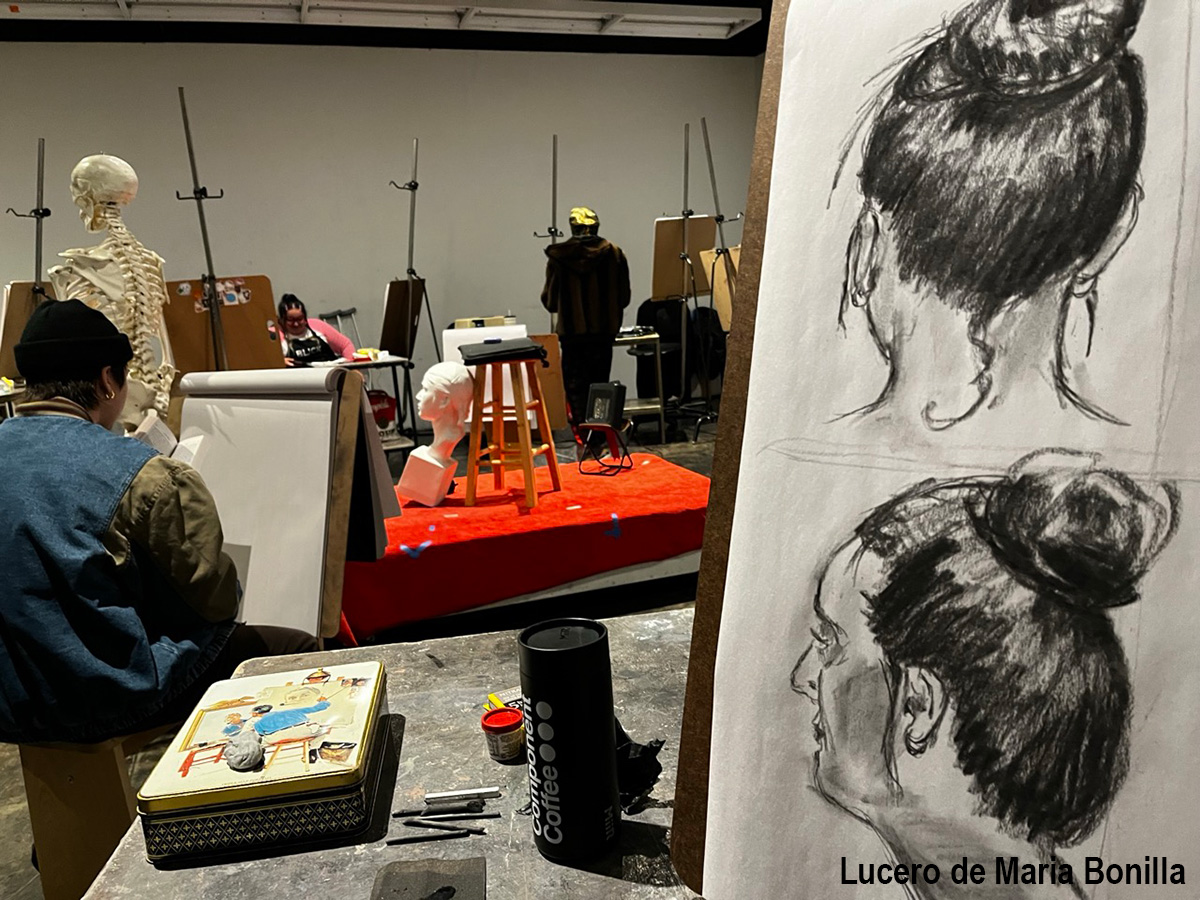 Students are expected to make themselves aware of and abide by the university community’s standards of behavior as articulated in this section and any other policies or regulations of the university. Students accept the rights and responsibilities of membership in the CSUF community when they are admitted to the university. At the university, as elsewhere, ignorance of the standards is not an acceptable justification for violating community standards. Students are expected to make themselves aware of and abide by the university community’s standards of behavior as articulated in this section and any other policies or regulations of the university. Students accept the rights and responsibilities of membership in the CSUF community when they are admitted to the university. At the university, as elsewhere, ignorance of the standards is not an acceptable justification for violating community standards.
Because the functions of a university depend on honesty and integrity among members, the university expects from its students a higher standard of conduct than the minimum required to avoid disciplinary action.
Activities of students may result in violation of law, and students who violate the law may incur penalties prescribed by civil authorities. However, the university reserves the right to review such incidents independent of action by civil authorities, recognizing that the university’s authority and its disciplinary process serve its educational mission and interest, a function separate from action by civil authorities.
The Trustees of the California State University are authorized by the Education Code to establish student disciplinary procedures. The president of California State University, Fullerton has designated the director of student conduct as the university’s student conduct administrator. The administrator is responsible for administering the student discipline system and implementing the following procedures as mandated in CSU Executive Order 1098: Student Conduct Procedures, CSUF President’s Directive No. 9: Regarding the Use of Attorneys in Student Disciplinary Proceedings, and other CSU and CSUF policies.
Unacceptable behavior by students or by applicants for admission is subject to discipline as provided in Section 41301 of Title 5, California Code of Regulations.
Title 5, California Code of Regulations, § 41301. Standards for Student Conduct
University Community Values
The university is committed to maintaining a safe and healthy living and learning environment for students, faculty, and staff. Each member of the university community should choose behaviors that contribute toward this end. Students are expected to be good citizens and to engage in responsible behaviors that reflect well upon their university, to be civil to one another and to others in the university community and contribute positively to student and university life.
Grounds for Student Discipline
Student behavior that is not consistent with the Student Conduct Code is addressed through an educational process that is designed to promote safety and good citizenship and, when necessary, impose appropriate consequences.
The following are the grounds upon which student discipline can be based:
- Dishonesty, including:
- Cheating, plagiarism or other forms of academic dishonesty that are intended to gain unfair academic advantage.
- Furnishing false information to a university official, faculty member or university office.
- Forgery, alteration, or misuse of a university document, key or identification instrument.
- Misrepresenting one’s self to be an authorized agent of the university or one of its auxiliaries.
- Unauthorized entry into, presence in, use of, or misuse of university property.
- Willful, material and substantial disruption or obstruction of a university-related activity or any on- campus activity.
- Participating in an activity that substantially and materially disrupts the normal operations of the University, or infringes on the rights of members of the university community.
- Willful, material and substantial obstruction of the free flow of pedestrians or other traffic, on or leading to campus property or an off-campus university related activity.
- Disorderly, lewd, indecent or obscene behavior at a university-related activity, or directed toward a member of the university community.
- Conduct that threatens or endangers the health or safety of any person within or related to the university community, including physical abuse, threats, intimidation, harassment or sexual misconduct.
- Hazing or conspiracy to haze. Hazing is defined as any method of initiation or pre-initiation into a student organization or student body, whether or not the organization or body is officially recognized by an educational institution, which is likely to cause serious bodily injury to any former, current, or prospective student of any school, community college, college, university or other educational institution in this state (Penal Code 245.6), and in addition, any act likely to cause physical harm, personal degradation or disgrace resulting in physical or mental harm, to any former, current or prospective student of any school, community college, college, university or other educational institution. The term “hazing” does not include customary athletic events or school sanctioned events. Neither the express or implied consent of a victim of hazing, nor the lack of active participation in a particular hazing incident is a defense. Apathy or acquiescence in the presence of hazing is not a neutral act and is also a violation of this section.
- Use, possession, manufacture or distribution of illegal drugs or drug-related paraphernalia, (except as expressly permitted by law and university regulations) or the misuse of legal pharmaceutical drugs.
- Use, possession, manufacture or distribution of alcoholic beverages (except as expressly permitted by law and university regulations), or public intoxication while on campus or at a university-related activity.
- Theft of property or services from the university community or misappropriation of university resources.
- Unauthorized destruction or damage to university property or other property in the university community.
- Possession or misuse of firearms or guns, replicas, ammunition, explosives, fireworks, knives, other weapons or dangerous chemicals (without the prior authorization of the university president) on campus or at a university-related activity.
- Unauthorized recording, dissemination or publication of academic presentations (including handwritten notes) for a commercial purpose.
- Misuse of computer facilities or resources, including:
- Unauthorized entry into a file, for any purpose.
- Unauthorized transfer of a file.
- Use of another’s identification or password.
- Use of computing facilities, campus network, or other resources to interfere with the work of another member of the university community.
- Use of computing facilities and resources to send obscene or intimidating and abusive messages.
- Use of computing facilities and resources to interfere with normal university operations.
- Use of computing facilities and resources in violation of copyright laws.
- Violation of a university computer use policy.
- Violation of any published university policy, rule, regulation or presidential order.
- Failure to comply with directions of, or interference with, any university official or any public safety officer while acting in the performance of their duties.
- Any act chargeable as a violation of a federal, state, or local law that poses a substantial threat to the safety or well-being of members of the university community, to property within the university community or poses a significant threat of disruption or interference with university operations.
- Violation of the Student Conduct Procedures, including:
- Falsification distortion, or misrepresentation of information related to a student discipline matter.
- Disruption or interference with the orderly progress of a student discipline proceeding.
- Initiation of a student discipline proceeding in bad faith.
- Attempting to discourage another from participating in the student discipline matter.
- Attempting to influence the impartiality of any participant in a student discipline matter.
- Verbal or physical harassment or intimidation of any participant in a student discipline matter.
- Failure to comply with the sanction(s) imposed under a student discipline proceeding.
- Encouraging, permitting or assisting another to do any act that could subject him or her to discipline.
Procedures for Enforcing This Code
The chancellor shall adopt procedures to ensure students are afforded appropriate notice and an opportunity to be heard before the university imposes any sanction for a violation of the Student Conduct Code. [Note: At the time of publication, such procedures are set forth in the California State University Student Conduct Procedures Policy (Revised October 6, 2023).
Application of This Code
Sanctions for the conduct listed above can be imposed on applicants, enrolled students, students between academic terms, graduates awaiting degrees, and students who withdraw from school while a disciplinary matter is pending. Conduct that threatens the safety or security of the campus community, or substantially disrupts the functions or operation of the university, is within the jurisdiction of this Article regardless of whether it occurs on or off campus. Nothing in this Code may conflict with Education Code Section 66301 that prohibits disciplinary action against students based on behavior protected by the First Amendment.
Title 5, California Code of Regulations, § 41302. Disposition of Fees: Campus Emergency; Interim Suspension.
The president of the campus may place on notice, suspend, or expel a student for one or more of the causes enumerated in Section 41301. No fees or tuition paid by or for such student for the semester, quarter, or Summer Session in which he or she is suspended or expelled shall be refunded. If the student is readmitted before the close of the semester, quarter, or Summer Session in which he or she is suspended, no additional tuition or fees shall be required of the student on account of the suspension.
During periods of campus emergency, as determined by the president of the individual campus, the president may, after consultation with the chancellor, place into immediate effect any emergency regulations, procedures, and other measures deemed necessary or appropriate to meet the emergency, safeguard persons and property, and maintain educational activities.
The president may immediately impose an interim suspension in all cases in which there is reasonable cause to believe that such an immediate suspension is required in order to protect lives or property and to insure the maintenance of order. A student so placed on interim suspension shall be given prompt notice of charges and the opportunity for a hearing within 10 days of the imposition of interim suspension. During the period of interim suspension, the student shall not, without prior written permission of the president or designated representative, enter any campus of the California State University other than to attend the hearing. Violation of any condition of interim suspension shall be grounds for expulsion.
For procedures related to the interim suspension process, refer to the California State University Executive Order 1098, Article IV (revised August 14, 2020).
Civil and Criminal Penalties for Violation of Federal Copyrights Law
Anyone who is found to be liable for copyright infringement may be liable for either the owner’s actual damages along with any profits of the infringer or statutory damages of up to $30,000 per work infringed. In the case of a willful infringement, a court may award up to $150,000 per work infringed. (See 17 U.S.C. §504.) Courts also have discretion to award costs and attorneys’ fees to the prevailing party. (See 17 U.S.C. §505.) Willful copyright infringement can also result in criminal penalties, including imprisonment and fines. (See 17 U.S.C. §506 and 18 U.S.C. §2319.)
Fees and Debts Owed to the Institution
Should a student or former student fail to pay a fee or a debt owed to the institution, including tuition and student charges, the institution may “withhold permission to register, to use facilities for which a fee is authorized to be charged, to receive services, materials, food or merchandise or any combination of the above from any person owing a debt” until the debt is paid (see Title 5, California Code of Regulations, Sections 42380 and 42381).
Prospective students who register for courses offered by the university are obligated for the payment of charges and fees associated with registration for those courses. Failure to cancel registration in any course for an academic term prior to the first day of the academic term gives rise to an obligation to pay student charges and fees, including any tuition for the reservation of space in the course.
The institution may withhold permission to register or other services offered by the institution from anyone owing fees or another debt to the institution. The institution may also report the debt to a credit bureau, offset the amount due against any future state tax refunds due the student, refer the debt to an outside collection agency and/or charge the student actual and reasonable collection costs, including reasonable attorney fees if litigation is necessary, in collecting any amount not paid when due.
The institution may not withhold an official transcript of grades by the institution from anyone owing fees or another debt to the institution (see Title 1.6C.7 (commencing with Section 1788.90) Part 4 of Division 3 of the Civil Code). The institution can still charge a fee for the issuance of the transcript pursuant to their published transcript processing fees.
If a person believes he or she does not owe all or part of an asserted unpaid obligation, that person may contact the Student Financial Services Office. The Student Business Services Office will review all pertinent information, provided by the person and available to the campus, and will advise the person of its conclusions.
Student Rights
Nondiscrimination Policy and Complaint Procedures
Protected Status: Age, Genetic Information, Marital Status, Medical Condition, Nationality, Race or Ethnicity (including color, caste, or ancestry), Religion or Religious Creed, and Veteran or Military Status.
The California State University does not discriminate on the basis of age, genetic information, marital status, medical condition, nationality, race or ethnicity (including color, caste and ancestry), religion (or religious creed), and veteran or military status – as these terms are defined in the Interim CSU Nondiscrimination Policy in its programs and activities, including admission and access. Federal and state laws, including Title VI of the Civil Rights Act of 1964 and the California Equity in Higher Education Act, prohibit such discrimination. The Discrimination, Harassment and Retaliation Administrator (DHR Administrator), has been designated to coordinate the efforts of CSUF to comply with all applicable federal and state laws prohibiting discrimination on these bases. Inquiries concerning compliance may be presented to this person at California State University, Fullerton, 2600 E. Nutwood Ave., Suite 760, Fullerton, CA 92831; 657-278-4933; cchik@fullerton.edu. The Interim CSU Nondiscrimination Policy-Student Respondent Procedures (or any successor procedure) is the systemwide procedure for all complaints or discrimination, harassment or retaliation made against other CSU students. The Interim CSU Nondiscrimination Policy-Employee or Third-Party Respondent Procedures (or any successor procedure) is the system wide procedure for all complaints of discrimination, harassment or retaliation made against the CSU, a CSU employee or a third party).
Protected Status: Disability
The California State University does not discriminate on the basis of disability (physical and mental) – as this term is defined in the Interim CSU Nondiscrimination Policy – in its programs and activities, including admission and access. Federal and state laws, including sections 504 and 508 of the Rehabilitation Act of 1973 and the Americans with Disabilities Act of 1990, prohibit such discrimination. The Discrimination, Harassment and Retaliation Administrator (DHR Administrator) (657-278-4933), has been designated to coordinate the efforts of CSUF to comply with all applicable federal and state laws prohibiting discrimination on the basis of disability. Inquiries concerning compliance may be presented to this person at California State University, Fullerton, 2600 E. Nutwood Ave., Suite 760, Fullerton, CA 92831; 657-278-4933; cchik@fullerton.edu. The Interim CSU Nondiscrimination Policy-Student Respondent Procedures (or any successor procedure) is the systemwide procedure for all complaints of discrimination, harassment or retaliation made against, other CSU students. The Interim CSU Nondiscrimination Policy-Employee or Third-Party Respondent Procedures (or any successor procedure) is the systemwide procedure for all complaints of discrimination, harassment or retaliation made against the CSU, a CSU employee or a third party.
Protected Status: Gender (or sex), Gender Identity (including Nonbinary and Transgender), Gender Expression, Pregnancy and Sexual Orientation
The California State University does not discriminate on the basis of gender (or sex), gender identity (including nonbinary and transgender), gender expression, pregnancy and sexual orientation – as these terms are defined in CSU policy – in its programs and activities, including admission and access. Federal and state laws, including Title IX of the Education Amendments of 1972, prohibit such discrimination. Sarah Bauer, Director, Title IX and Gender Equity/Title IX Coordinator, has been designated to coordinate the efforts of CSUF to comply with all applicable federal and state laws prohibiting discrimination on these bases. Inquiries concerning compliance may be presented to this person at College Park 205 (2600 Nutwood Ave, Fullerton, CA 92831) or 657-278-2121. The California State University is committed to providing equal opportunities to all CSU students in all campus programs, including intercollegiate athletics. The Interim CSU Nondiscrimination Policy-Student Respondent Procedures or Track 1 (Federal Mandated Hearing Process) (or any successor policy) are the systemwide procedures for all complaints of discrimination, harassment or retaliation made against other CSU students. The Interim Procedure (or any successor procedure) are the systemwide procedures for all complaints of discrimination, harassment or retaliation made against the CSU, a CSU employee or a third party.
Track 1 (Federal mandated Hearing Process) applies to Complaints against a Student Employee, Third Parties and/or Student-Employees where the alleged conduct:
- Meets the definition of Sexual Harassment as defined in Article V.B. of the Nondiscrimination Policy (also defined in Track 1 Article II.K).
- Occurred in the United States.
- Occurred in an education program or activity at the university as defined in Track 1, Article II.E.
As a matter of federal and state law and California State University policy, the following types of conduct are prohibited:
Discrimination
Discrimination is conduct that causes harm to a Complainant based on their actual or perceived Protected Status within the CSU’s educational programs, activities, or employment which results in the denial or limitation of services, benefits, or opportunities provided by the CSU. Undert the CSU Nondiscrimination Policy, the definition of Discrimination includes:
- Different Treatment Discrimination: Different Treatment Discrimination occurs when the Complainant is: 1) treated less favorably; 2) than other similarly situated individuals under similar circumstances; 3) because of hte Complainant’s actual or perceived Protected Status; and 4) not for a legitimate, nondiscriminatroy reason. Insignificant or trivial actions or conduct not reasonably likely to do more than anger or upset a Complainant do not constitute “Different Treatment Discrimination.”
- Under this Nondiscrimination Policy, discrimination in employment inlcudes any adverse employment action or conduct that is reasonably likely to impair the Employee’s job performance or prospects for advancement or promotion.
- An allegation that an Employee is receiving unequal pay because of their Protected Status (for example, under the California Equal Pay Act) constitutes a Discrimination Complaint under this Nondiscrimination Policy.
Harassment
Harrasment means unwelcome verbal, nonverbal or physical conduct engaged in because of an individual Complainant’s Protected Status. Harassment includes but is not limited to verbal harassement (e.g. epithets, derogatory comments or slurs), physical harassment (e.g. assault, impeding or blocking movement, or any physical interference with normal work or movement) and visual forms of harassment (e.g. derogatroy posters, cartoons, drawings, symbols or gestures). Single isolated incidents will typically be insufficient to rise to the level of Harassment.
Harassment may occur when:
- Submitting to or rejecting verbal, nonverbal, or physical conduct is explicitly or implicitly a basis for:
- Any decision affecting a term or condition of the Complainant’s employment, or
- Any decision affecting a Complainant’s academic status or progress, or access to benefits and services, honors, programs, or activities available at or through the university.
OR
- The conduct is sufficiently severe or pervasive so that its effect, whether intended or not, could be considered by a reasonable person under similar circumstances and with similar identities, and is in fact considered by the Complainant, as creating an intimidating, hostile or offensive work or educational environment that denies or substantially limits an individual’s ability to participate in or benefit from employment and/or educational services, activites or other privileges provided by the CSU.
Whether a hostile environment has been created is a fact-specific inquiry that includes consideration of the following:
- The frequency, natur, and duration of the conduct.
- Whether the conduct was physically threatening.
- Whether the conduct arose in the context of other discriminatroy conduct or other misconduct.
- The degree to which the conduct affected the Complainant’s ability to access the CSU’s educational programs, activities, or employment.
- The Parties’ ages, roles within the CSU’s educational programs or activities, previous interactions, and other factors about each Party that may be relevant to evaluating the effects of the conduct.
- Other Harassment in the CSU’s education programs, activities, or employment.
Sexual Harassment
Sexual Harassment means unwelcome verbal, nonverbal or physical conduct of a sexual nature that includes, but is not limited to, sexual advances, requests for sexual favors, offering employment benefits or giving preferential treatment in exchange for sexual favors, or any other conduct of a sexual nature. There are two kinds of Sexual Harassment:
- Quid pro quo: Quid pro quo is Latin for “this for that” and occurs when an Employee, agent or other person in a position of power conditions an employment or educational benefit or service on submission to sexual advances or other conduct based on sex. Quid pro quo harassment exists when submitting to, or rejecting, the verbal, nonberbal or physical conduct explicitly or implicitly a basis for:
- Any decision affecting a term or condition of the Complaintant’s employment; or
- Any decision affecting a Complainant’s academic status or progress, or access to benefits and services, honors, programs, or activities available at or through the university.
- Hostile environment harassment is unwelcome sex-based conduct that, based on the totality of the circumstances, is subjectively and objectively offensive and so severe, persistent or pervasive that it limits or denies the Complaintant’s ability to participate in or benefit from the CSU’s educational programs, activities or emplloyment. Hostile environment harassment must either:
- Create an intimidating, hostile or offensive work environment; or
- Limit a Student’s ability to participate in or benefit from the services, acrtivigties or opportunites offered by the university. Whether a hostile enviornment has been created is a fact-specific inquiry that includes consideration of the following:
- The frequency, nature and duraction of the conduct.
- Whether the conduct was physically threatening.
- Whether the conduct arose in the context of other discriminatory conduct or other misconduct.
- The degree to which the conduct affected the Complainant’s ability to access the CSU’s educational programs, activities or employment.
- The Parties’ ages, roles within the CSU’s educational programs or activities, previous interactions, and other factors about each Party that may be relevant to evaluating the effects of the conduct.
- Other Sexual Harassment in the CSU’s educational programs, activities or employment. Sexual Harassment could include being forced to engage in unwanted sexual contact as a condition of membership in a student organization or in exchange for a raise or promotion; being subjected to video exploitation or a campaign of sexually explicit content; or frequently being exposed to unwanted images of a sexual nature in a work environment, or in a classroom where the images are unrelated to the coursework. Claiming that the conduct was not motivated by sexual desire is not a defense to a Complaint of Sexual Harasment.
Sexual Misconduct
All sexual activity between members of the CSU community must be based on Affirmative Consent. Engaging in any sexual activity without first obtaining Affirmative Consent to the specific activity is Sexual Misconduct, whether or not the conduct violates any civil or criminal law.
- Sexual activity includes, but is not limited to:
- Kissing.
- Touching intimate body parts.
- Fondling.
- Intercourse.
- Penetration, no matter how slight, of the vagina or anus with any part or object.
- Oral copulation of a sex organ by another person.
- Sexual Misconduct includes, but is not limited to, the following conduct:
- An attempt, coupled with the ability, to commit a violent injury on the person of another because of that person’s Gender or Sex.
- The intentional touching of another person’s intimate body parts without Affirmative Consent.
- Intentionally causing a person to touch the intimate body parts of another without Affirmative Consent.
- Using a person’s own intimate body part to intentionally touch another person’s body without Affirmative Consent.
- Any unwelcome physical sexual acts, such as unwelcome sexual touching.
- Using physical force, violence, threat, or intimidation to engage in sexual activity.
- Ignoring the objections of the other person to engage in sexual activity.
- Causing the other person’s incapacitation through the use of drugs or alcohol to engage in sexual activity.
- Taking advantage of the other person’s incapacitation to engage in sexual activity.
- Intimate body part means the sexual organ, anus, groin, buttocks, or breasts of any person.
- Sexual activity between a Minor (a person younger than 18 years old) and a person who is at least 18 and two years older than the Minor always constitutes Sexual Misconduct, even if there is Affirmative Consent to all sexual activity. The existence of Affirmative Consent and/or the type of sexual activity may be relevant to the determination of an appropriate Sanction.
- Persons of all Genders, Gender Identities, Gender Expressions, and Sexual Orientations can be victims of these forms of Sexual Misconduct. Sexual Misconduct can be committed by an individual known to the victim including a person the Complainant may have just met, i.e., at a party, introduced through a friend, or on a social networking website.
Affirmative Consent
Affirmative Consent means an agreement to engage in sexual activity that is informed, affirmative, conscious, voluntary and mutual. Affirmative Consent must be given freely and without coercion, force, threats, intimidation or by taking advantage of another person’s incapacitation. It is the responsibility of each person involved in the sexual activity to ensure Affirmative Consent has been obtained from the other participant(s) prior to engaging in the sexual activity.
- Affirmative Consent is given by clear words or actions. Affirmative consent includes knowledge and agreement to engage in the specific sexual activity.
- Affirmative Consent must be ongoing throughout a sexual activity and can be withdrawn or revoked at any time, inlcuding after sexual activity begins. Once consent is withdrawn or revoked and clearly communicated, the sexual activity must stop immediately.
- Consent to one form of sexual activity or one sexual act does not constitute consent to other forms of sexual activity. Consent given to sexual activity on one occasion does not constitute consent on another occasion.
- Affirmative Consent cannot be inferred from an existing or previous dating, social or sexual relationship between the Parties.
- Silence does not mean there is Affirmative Consent
- Lack of protest or resistance does not mean there is Affirmative Consent.
- A request for someone to use a condom or birth control does not, in and of itself, mean there is Affirmative Consent.
- Affirmative Consent cannot be given by a person who is incapacitated. A person is uanble to consent when asleep, unconscious or incapacitated due to the influence of drugs, alcohol or medication.
Incapacitation
A person is incapacitated if they lack the physical and/or mental ability to make informed, rational decisions about whether or not to engage in sexual activity. A person with a medical or mental disability may also lack the capacity to give consent. Incapacitation exists when a person could not understand the fact, nature or extent of the sexual activity.
It shall not be a valid excuse that a person affirmatively consented to the sexual activity if the Respondent knew or reasonably should have known that the person was unable to consent to the sexual activity under any of the following circumstances:
- The person was asleep or unconscious.
- The person was incapacitated due to the influence of drugs, alcohol or medication, so that the person could not understand the fact, nature or extent of the sexual activity.
- The person was unable to communicate due to a mental or physical condition.
It shall not be a valid excuse that the Respondent believed that the person consented to the sexual activity under either of the following circumstances:
- The Respondent’s belief in Affirmative Consent arose from the intoxication or recklessness of the Respondent.
- The Respondent did not take reasonable steps, in the circumstances known to the Respondent at the time, to ascertain whether the person affirmatively consented.
Whether an intoxicated person (as a result of using alcohol, drugs or medication) is incapacitated will require an individualized determination about the extent to which the alcohol or other drugs impact the person’s decision-making ability, awareness or conseuquences, and abilikty to make informed judegments. The level of intoxication may change over a period of time based on a variety of individual factors, including the amount of substance consumed, speed of intake, body mass, height, weight, tolerance, food consumption, driking patterns and metabolism. A person’s own intoxication or incapacitation from drugs or alcohol does not diminish that person’s responsiblity to obtain Affirmative Consent before engaging in sexual activity.
Incapactitation due to alcohol, drugs, or medication is a state of intoxication that is so severe that it interferes with a person’s capacity to make informed and knowing decision. A person who is incapacitated may not be able to understand where they are, whom they are with, how they got there or what is happening. Signs that a person may be incapacitated due to the influence of drugs, alcohol or medication include, but are not limited to, the following:
- Slurred speech or difficulty communicating clearly.
- Clumsiness or lack of physical coordination (e.g. difficulty standing or walking without assistance).
- Impaired motor skills (e.g. eating drinking, texting).
- Disorientation regarding time and place.
- Difficulty concentrating.
- Vomiting
- Combativeness or emotional volatility.
- Sleeping, unconciousness or going in and out of consciousness.
Incapacitation may also include memory impairment or an inability to recall entire or partial events (sometimes referred to as “blackout” or “brownout”). A person may expereince this symptom while appearing to be functioning “normally,” including communicating through actions or words that can reaonably and objectively be interpreted as communicating consent to engage in sexual activity. Total or partial loss of memory alone may not be sufficient, without additional evidence, to prove that an individual was incapacitated under this Policy. Whether sexual activity under these circumstances constitutes Prohibitied Conduct depends on the presence or absence of the outwardly observerable factors indicating that an individual is incapacitated, as described above.
In evaluating Affirmative Consent in cases involving incapacitation, the CSU considers the totality of available information in determing whether a Respondant knew or reasonably should have known that the Complainant was incapacitated.
Sexual Exploitation
Sexual Exploitation means a person taking sexual advantage of another person for the benefit of anyone other than that person without the person’s consent, including, but not limited to, any of the following acts:
- The prostituting of another person.
- The trafficking of another person, defined as the inducement of a person to perform a commercial sex act, or labor of services, through force, fraud or coercion.
- The recording of images, including video or photography, or audio of another person’s sexual activity of intimate parts, without that person’s consent.
- The distribution of images, including video or photographs, or audio of another person’s sexual activity or private body parts, if the individual distributing the images or audo knows or should have known that the person depicted in the images or audio did not consent to the disclosure. This includes distribution of digitally altered or artificial-intelligence-generated images, video or audio.
- The viewing of another person’s sexual activity or private body parts, in a place where that other person would have a reasonable expectation of privacy, without that person’s consent, for the purpose of arouding or gratifying sexual desire.
Dating Violence and Domestic Violence
Dating Violence means physical violence or threat of physical violence committed by a person:
- Who is or has been in a social relationship of a romantic or intimate nature with the Complainant.
- Where the existence of such a relationship shall be determined based on a consideration of the following factors:
- The length of the relationship.
- The type of relationship.
- The frequency of interaction between the persons involved in the relationship.
Domestic Violence means physical violence or threat of physical violence committed by a current or former spouse or intimate partner of the Complainant, by a person with whom the Complainant shares a child in common, by a person who is cohabitating with or has cohabitated with the Complainant as a spouse or intimate partner, or by a person similarly situated to a spouse of the Complainant. Domestic violence also includes acts against a Minor or adult victim who is protected from those actis under the family or domestic laws of the state.
Stalking
Stalking means engaging in a Course of Conduct directed at a specific person that would cause a reasonable person to fear for the safety of self or others’ safety or to suffer Substantial Emotional Distress. For purposes of this definition:
- Course of Conduct means two or more acts, including but not limited to, acts in which one party directly, indirectly or through third parties, by any action, method, device or means, follows, monitors, observes, surveils, threatens or communicates to or about the other party, or interferes with the other party’s property.
- Substantial Emotional Distress means significant mental suffering or anguish that may but does not necessarily require medical or other professional treatment or counseling.
Prohibited Consensual Relationships
A Prohibited Consensual Relationship includes consensual sexual or romantic relationship between an Employee and any Student or Employee over whom they exercise direct or otherwise significant academic, administrative, supervisory, evaluative, counseling or extracurricular authority.
- A consensual relationship means a sexual or romantic relationship between two individuals who voluntarily enter into such a relationship.
- While sexual and/or romantic relationships between member of the university community may begin as consensual, they may evolve into situations that lead to Discrimination, Harassmement, Retaliation, Sexual Misconduct, Sexual Exploitation, Dating Violence, Domestic Violence or Stalking, subject to this Nondiscrimination Policy.
- It is a violoation of this Nondiscrimination Policy for an Employee to enter into a Prohibited Consensual Relationship.
- Examples of Prohibited Consensual Relationships include, but are not limited to, a supervisor and an employee in their chain of command; a faculty member and a student enrolled in their class; a counselor and a student they are advising; a resident advisor and a student in their building; a club advisor and a club member.
Retaliation
Retaliation is intimidation, coercion or discrimination against any individual for the purpose of interfering with their exercise of any rights under this Nondiscrimination Policy by any of the following:
- Reporting or filing a Complaint.
- Participating or refusing to participate in any manner in a Policy-related investigation or proceedings, including a hearing.
- Opposing conduct that was reasonably and in good faith believed to be in violation of this Nondiscrimination Policy.
- Assisting or participating in an investigation or proceeding junder this Nondiscrimination Policy, regardless of whether the Complaint was substantiated.
- Assisting someone else in reporting or opposing a violation of the Nondiscrimination Policy or assisting someone else in reporting or opposing Retaliation under this Nondiscrimination Policy.
For purposes of this definition, Retaliation includes conduct that would discourage a reasonable person from reporting or participating in a process provided for in this Policy, including threats, intimidation, coercions, reprisals, discrimination and adverse employment or educational actions:
- Peer Retaliation, which is defined as Retaliation by one Student against another Student is also prohibited.
- Retaliation may occur even when there is not a power or authority differential between the individuals involved.
- The exercise of rights protected under the First Amendent does not constitute Retaliation prohibited under this definition.
- Good faith actions lawfully pursued in response to a Complaint, such as gathering evidence, providing Supportive Measures or disciplining Students or Employees found to be in violation of this Nondiscrimination Policy without more, are not considered Retaliation.
Track 1 Prohibitied Conduct Definitions
- Sexual Harassment means conduct on the basis of Sex that satisfies one or more of the following:
- An Employee conditioning the provision of an aid, benefit or service of the university on an individual’s participation in unwelcome sexual conduct.
- Unwelcome conduct determined based on the reasonable person standard to be so severe, pervasive and objectively offensive that it effectively denies a person equal access to an Education Program or Activity.
- Sexual Assault includes the following:
- Rape is the penetration or attempted penetration, no matter how slight, of the vagina or anus with any body part or object, or oral penetration by a sex organ of another person, without the Affirmative Consent of the Complainant. Rape also includes the attempted penetration, no matter how slight, of the vagina or anus with any body part or object, or oral penetration by a sex organ of another person, without the Affirmative Consent of the Complainant, with the present ability and the intent to commit Rape.
- Fondling is the touching of the private body parts of another person for the purpose of sexual gratification, without the Affirmative Consent of the victim, including instances where the Complainant is incapable of giving Affirmative Consent because of their age or because of their temporary or permanent mental incapacity.
- Incest is sexual intercourse between persons who are related to each other within the degrees wherein marriage is prohibited by law.
- Statutory Rape is sexual intercourse with a person who is under the age of 18 years, the California statutory age of consent. The definition of Affirmative Consent is that under Article VII.A.3 above.
- Dating Violence means physical violence or threat of physical violence committed by a person:
- Who is or has been in a social relationship of a romantic or intimate nature with the Complainant; and
- Where the existence of such a relationship shall be determined based on a consideration of the following factors:
- The length of the relationship.
- The type of relationship.
- The frequency of interaction between the persons involved in the relationship.
- Domestic Violence means physical violence or threat of physical violence committed by a current or former spouse or intimate partner of the Complainant, by a person with whom the Complainant shares a child in common, by a person who is cohabitating with or has cohabitated with the Complainant as a spouse or intimate partner, or by a person similarly situated to a spouse of the Complainant.
- Stalking means engaging in a course of conduct directed at a specific person that would cause a reasonable person to:
- Fear for their safety or the safety of others; or
- Suffer substantial emotional distress.
See further information in the CSUF sexual violence prevention and education statement, Title IX Notice of Nondiscrimination (which includes facts and myths about sexual violence), and Victim’s Rights and Options Notice.
Whom to Contact If You Have Complaints, Questions or Concerns
Title IX requires the university to designate a Title IX Coordinator to monitor and oversee overall Title IX compliance. The campus Title IX Coordinator is available to explain and discuss the university’s complaint process, including the investigation and hearing process; the availability of reasonable supportive measures (both on and off campus regardless of whether the person chooses to report the conduct); the right to file a criminal complaint (for example, in cases of sexual misconduct); how confidentiality is handled; and other related matters. If you are in the midst of an emergency, please call the police immediately by dialing 9-1-1.
CAMPUS TITLE IX COORDINATOR:
Sarah Bauer, Director, Title IX and Gender Equity / Title IX Coordinator
College Park 205 (2600 Nutwood Ave Suite 205), Fullerton, CA 92831
sarahbauer@fullerton.edu
(657) 278-2121
https://www.fullerton.edu/titleix/
Office Hours: 8 a.m. to 5 p.m., Monday - Friday
UNIVERSITY POLICE
California State University Fullerton Police Department (CSUFPD)
Corner of N.State College Blvd. and Gymnasium Dr. (Fullerton, CA 92831)
657-278-2515 or 9-1-1
upd.pio@fullerton.edu
https://police.fullerton.edu/
Title IX requires the university to adopt and publish complaint procedures that provide for prompt and equitable resolution of gender discrimination complaints, including sexual harassment and misconduct, as well as provide training, education and preventive measures related to sex discrimination. The Interim CSU Nondiscrimination Policy – Student Respondent Procedure (or any successor policy) is the systemwide procedure for all complaints of discrimination, harassment or retaliation made against, other CSU students. The Interim CSU Nondiscrimination Policy – Student Respondent Procedure (or any successor procedures) are the systemwide procedures for all complaints of discrimination, harassment or retaliation made against the CSU, a CSU employee or a third party.
Duty to Report
Except as provided below under confidentiality and sexual misconduct, dating violence, domestic violence, and stalking, any university employee who knows or has reason to know of allegations or acts that violate university policy shall promptly inform the Title IX Coordinator. These employees are required to disclose all information including the names of the parties, even where the person has requested that their name remain confidential. The Title IX Coordinator will determine whether confidentiality is appropriate given the circumstances of each such incident. (See confidential reporting options outlined below.)
Regardless of whether an alleged victim of gender discrimination ultimately files a complaint, if the campus knows or has reason to know about possible sexual discrimination, harassment or misconduct, it must review the matter to determine if an investigation is warranted. The campus must then take appropriate steps to eliminate any gender discrimination/harassment/misconduct, prevent its recurrence, and remedy its effects.
U.S. Department of Education, Office for Civil Rights (OCR):
(800) 421-3481 (National Headquarters); or (800) 877-8339 (TDD) or ocr@ed.gov (National Headquarters) or (415) 486-5555 (California office), or ocr.sanfrancisco@ed.gov (California office)
If you wish to fill out a complaint form online with the OCR, you may do so using the OCR Electronic Complaint Form.
Safety of the Campus Community is Primary
The university’s primary concern is the safety of its campus community members. The use of alcohol or drugs never makes the victim at fault for gender discrimination, harassment or sexual misconduct; therefore, victims should not be deterred from reporting incidents of sexual misconduct out of a concern that they might be disciplined for related violations of drug, alcohol or other university policies. Except in extreme circumstances, victims of sexual misconduct shall not be subject to discipline for related violations of the Student Conduct Code.
Information Regarding Campus, Criminal and Civil Consequences of Committing Acts of Sexual Violence
Individuals alleged to have committed sexual misconduct may face criminal prosecution by law enforcement and may incur penalties as a result of civil litigation. In addition, students may face discipline at the university, up to and including suspension or expulsion and withholding of their degrees. Employees may face sanctions up to and including suspension, demotion or dismissal from employment, pursuant to established CSU policies and provisions of applicable collective bargaining unit agreements.
Students who are found responsible by the university with gender discrimination, harassment or sexual misconduct will be subject to discipline, pursuant to The Interim CSU Nondiscrimination Policy-Student Respondent Procedures for complaints made against a student and the California State University and Student Conduct Procedures (see Student Conduct Procedures Policy or any successor executive order) and will be subject to appropriate sanctions. In addition, during any investigation, the university may implement interim measures in order to maintain a safe and non-discriminatory educational environment. Such measures may include but not be limited to: immediate interim suspension from the university; a required move from university-owned or affiliated housing; adjustments to course schedule; and/or prohibition from contact with parties involved in the alleged incident.
Confidentiality and Sexual Misconduct, Dating Violence, Domestic Violence and Stalking
The university encourages victims of sexual misconduct, dating violence, domestic violence or stalking to talk to someone about what happened – so they can get the support they need, and so the university can respond appropriately.
Privileged and Confidential Communications
Physicians, Psychotherapists, Professional Licensed Counselors, Licensed Clinical Social Workers, and Clergy – Physicians, psychotherapists, professional, licensed counselors, licensed clinical social workers, and clergy who work or volunteer on or off campus, acting solely in those roles or capacities as part of their employment, and who provide medical or mental health treatment or counseling (and those who act under their supervision, including all individuals who work or volunteer in their centers and offices) may not report any information about an incident of sexual misconduct to anyone else at the university, including the Title IX Coordinator, without the victim’s consent. A victim can seek assistance and support from physicians, psychotherapists, professional, licensed counselors, licensed clinical social workers and clergy without triggering a university investigation that could reveal the victim’s identity or the fact of the victim’s disclosure. However, see limited exceptions below regarding when health care practitioners must report to local law enforcement agencies. Health care practitioners should explain these limited exceptions to victims, if applicable.
Sexual Assault and Domestic Violence Counselors and Advocates – Sexual assault and domestic violence counselors and advocates who work or volunteer on or off campus in sexual assault centers, victim advocacy offices, women’s centers and health centers (including those who act in that role under their supervision, along with non-professional counselors or advocates who work or volunteer in sexual assault centers, victim advocacy offices, women’s centers, gender equity centers, or health centers), may talk to a victim without revealing any information about the victim and the incident of sexual misconduct to anyone else at the university, including the Title IX Coordinator, without the victim’s consent. A victim can seek assistance and support from these counselors and advocates without triggering a university investigation that could reveal his/her identity or that a victim disclosed an incident to them. However, see limited exceptions below regarding when sexual assault and domestic violence counselors and advocates must report to local law enforcement agencies. Counselors and advocates should explain these limited exceptions to victims, if applicable.
The university will be unable to conduct an investigation into a particular incident or pursue disciplinary action against a perpetrator if a victim chooses to:
- Speak only to a physician, professional licensed counselor, licensed clinical social worker, clergy member, sexual assault counselor, domestic violence counselor or advocate; and
- Maintain complete confidentiality. Even so, these individuals will assist victims in receiving other necessary protection and support, such as victim advocacy, disability services, medical/health or mental health services, or legal services, and will advise victims regarding their right to file a Title IX complaint with the university and a separate complaint with local or university police.
If a victim insists on confidentiality, such professionals, counselors and advocates will likely not be able to assist the victim with: university academic support or accommodations; changes to university-based living or working schedules; or adjustments to course schedules. A victim who at first requests confidentiality may later decide to file a complaint with the university or report the incident to the police, and thus have the incident fully investigated. These counselors and advocates can provide victims with that assistance if requested by the victim. These counselors and advocates will also explain that Title IX includes protections against retaliation, and that the university will not only take steps to prevent retaliation when it knows or reasonably should know of possible retaliation, but will also take strong responsive action if retaliation occurs.
EXCEPTIONS: Under California law, any health practitioner employed in a health facility, clinic, physician’s office, or local or state public health department or clinic is required to make a report to local law enforcement if he or she provides medical services for a physical condition to a patient/victim who he or she knows or reasonably suspects is suffering from any of the following:
- A wound or physical injury inflicted by a firearm.
- Any wound or other physical injury inflicted upon a victim where the injury is the result of assaultive or abusive conduct (including sexual misconduct, domestic violence, and dating violence).
This exception does not apply to sexual assault and domestic violence counselors and advocates. Health care practitioners should explain this limited exception to victims, if applicable.
Additionally, under California law, all professionals described above (physicians, psychotherapists, professional counselors, licensed clinical social workers, clergy, and sexual assault and domestic violence counselors and advocates) are mandatory child abuse and neglect reporters, and are required to report incidents involving victims under 18 years of age to local law enforcement. These professionals will explain this limited exception to victims, if applicable.
Finally, some or all of these professionals may also have reporting obligations under California law to:
- Local law enforcement in cases involving threats of immediate or imminent harm to self or others where disclosure of the information is necessary to prevent the threatened danger; or
- To the court if compelled by court order or subpoena in a criminal proceeding related to the sexual misconduct, dating or domestic violence, or stalking incident.
If applicable, these professionals will explain this limited exception to victims.
Reporting to University or Local Police
If a victim reports to local or university police about sexual misconduct crimes, the police are required to notify victims that their names will become a matter of public record unless confidentiality is requested. If a victim requests that their identity be kept confidential, their name will not become a matter of public record. However, even if the victim requests confidentiality of identity, the University Police should specifically ask the victim if the victim’s name can be provided to the Title IX Office so that the Title IX Coordinator can contact the victim to discuss supportive measures that can be offered. If a victim gives consent to law enforcement to provide their name to the Title IX Coordinator, their name will not become a matter of public record. Even if a victim does not give the police permission to provide their name to the Title IX Coordinator, University police will report the facts of the incident itself to the Title IX Coordinator being sure not to reveal to the Title IX Coordinator victim names/identities or compromise their own criminal investigation. The university is required by the federal Clery Act to report certain types of crimes (including certain sex offenses) in statistical reports. However, while the university will report the type of incident in the annual crime statistics report known as the Annual Security Report, victim names/identities will not be revealed.
Reporting to the Title IX Coordinator and Other University Employees
Most university employees have a duty to report incidents of sexual misconduct when they are on notice of it. When a victim tells the Title IX Coordinator or another university employee about an incident of sexual misconduct, the victim has the right to expect the university to take immediate and appropriate steps to investigate what happened and to resolve the matter promptly and equitably. In all cases, the university strongly encourages victims to report incidents of sexual misconduct directly to the campus Title IX Coordinator. As detailed above, in the “Privileged and Confidential Communications” section of this policy, all university employees except physicians, licensed professional counselors, licensed clinical social workers, sexual assault counselors and advocates, must report to the Title IX Coordinator all relevant details about any incidents of sexual misconduct of which they become aware. The university will need to determine what happened – and will need to know the names of the victim(s) and the perpetrator(s), any witnesses, and any other relevant facts, including the date, time and specific location of the incident.
To the extent possible, information reported to the Title IX Coordinator or other university employees will be shared only with individuals responsible for handling the university’s response to the incident. The university will protect the privacy of individuals involved in a sexual misconduct violence incident except as otherwise required by law or university policy. A report of sexual misconduct may result in the gathering of extremely sensitive information about individuals in the campus community. While such information is considered confidential, university policy regarding access to public records and disclosure of personal information may require disclosure of certain information concerning a report of sexual misconduct. In such cases, efforts will be made to redact the records, as appropriate, in order to protect the victim’s identity and privacy and the privacy of other involved individuals. Except as detailed in the section on “Privileged and Confidential Communications” above, no university employee, including the Title IX Coordinator, should disclose the victim’s identity to the police without the victim’s consent or unless the victim has also reported the incident to the police.
If a victim requests of the Title IX Coordinator or another university employee that their identity remain completely confidential, the Title IX Coordinator will explain that the university cannot always honor that request or guarantee complete confidentiality. If a victim wishes to remain confidential or request that no investigation be conducted or disciplinary action taken, the university must weigh that request against the university’s obligation to provide a safe, non-discriminatory environment for all students, employees, and third parties, including the victim. Under those circumstances, the Title IX Coordinator will determine whether the victim’s request for complete confidentiality and/or no investigation can be honored under the facts and circumstances of the particular case, including whether the university has a legal obligation to report the incident, conduct an investigation or take other appropriate steps. Without information about a victim’s identity, the university’s ability to meaningfully investigate the incident and pursue disciplinary action against the perpetrator may be severely limited. See Interim CSU Nondiscrimination Policy (or any successor policy) for further details around confidential reporting, and other related matters.
Additional Resources
CSUF’s sexual misconduct violence prevention and education statement is available at https://www.fullerton.edu/titleix/docs/AttachmentB.pdf. Facts and myths about sexual misconduct violence is available at https://www.fullerton.edu/titleix/docs/AttachmentE.pdf.
U.S. Department of Education, regional office
Office for Civil Rights 50 United Nations Plaza
San Francisco, CA 94102
415-486-5555
TDD 877-521-2172
OCR SanFrancisco@ed/gov
U.S. Department of Education, national headquarters
Office for Civil Rights 800-421-3481
TDD 800-877-8339
OCR@ed.gov
California Coalition Against Sexual Assault
1215 K. Street, Suite 1850
Sacramento, CA 95814
916-446-2520
California Coalition Against Sexual Assault
LOCAL COMMUNITY RESOURCE INFORMATION:
Right of Petition
Students may petition for review of certain university academic regulations when unusual circumstances exist. It should be noted, however, that academic regulations, when they are contained in Title 5, California Code of Regulations, are not subject to petition.
Petition forms are available in the Office of the Registrar. The University Petitions Committee will take action on the petition based on recommendations provided by appropriate officers and the student will be notified of the decision in writing. Results of the action will be placed in the student’s file in the Office of the Registrar.
The petitions committee members shall consist of the associate dean of each college, or designee, an academic programs representative, the director of the Academic Advising Center, one faculty member of the University General Education Committee, and the university registrar, or designee, who will serve as the secretary.
Right of Nonparticipation
University activities either within or outside of the classroom involve varying degrees of risk to the participants. It is university policy that the instructor directing such activities reviews with potential participants the specific nature of such risks and obtains from them their expressed or implied consent prior to undertaking activities.
The student who at any time comes to believe that the risks, whether physical or psychological, are excessive has the responsibility to withdraw from participation at the time and to inquire of the instructor if there are alternative means of fulfilling the requirements without penalty. If there are none, the student may petition for withdrawal from the course without penalty or appeal for an appropriate modification of the activity. The appeal may be made either to the chair of the department concerned or to the chair of the Institutional Review Board, or both.
Right of Academic Appeal
Please see “Academic Appeals ” in the “Student Affairs” section of this catalog.
Privacy Rights of Students in Education Records
The federal Family Educational Rights and Privacy Act of 1974 (20 U.S.C. 1232g) (FERPA) and regulations adopted thereunder (34 C.F.R. 99) set out requirements designed to protect students’ privacy in their educational records maintained by the campus. The statute and regulations govern access to certain student records maintained by the campus and the release of those records. FERPA provides that the campus must give a student access to most records directly related to the student, and must also provide opportunity to correct the records if the student believes the records are inaccurate, misleading, or otherwise inappropriate. The right to petition to correct a record under FERPA does not include the right to challenge the appropriateness of a grade determined by the instructor. In addition, FERPA generally requires the campus obtain a student’s written consent before releasing personally identifiable data pertaining to the student. The campus has adopted a set of policies and procedures governing implementation of FERPA and the regulations. Copies of these policies and procedures may be obtained at the Office of the Vice President for Student Affairs, Langsdorf Hall 805. Among the information included in the campus statement of policies and procedures is:
- The student records maintained and the information they contain.
- The campus official responsible for maintaining each record.
- The location of access lists indicating persons requesting or receiving information from the record.
- Policies for reviewing and expunging records.
- Student access rights to their records.
- Procedure for challenging the content of student records.
- The student’s right to file a complaint with the Department of Education, which enforces FERPA. The Department of Education has established an office and review board to investigate complaints and adjudicate potential FERP violations. The designated office is: Student Privacy Policy Office, U.S. Department of Education, 400 Maryland Avenue, SW, Washington, D.C. 20202-5920.
FERPA authorizes that the campus may release “directory information” pertaining to students. “directory information” may include the student’s name, address, telephone listing, electronic mail address, photograph, date and place of birth, major field of study, participation in officially recognized activities and sports, weight and height of members of athletic teams, dates of attendance, grade level, enrollment status, degrees, honors, and awards received, and the most recent previous educational agency or institution the student attended. The campus may release this “directory information” unless the campus has received prior written objection from the student specifying the information the student requests not be released. Written objections must be sent to the Office of the Vice President for Student Affairs, Langsdorf Hall 805.
FERPA authorizes the university to provide access to student records without prior student consent to campus officials, employees and others who have legitimate educational interests in such access. These persons include those with legitimate reasons to access student records to perform the campus’s academic, administrative or service functions, and those with a reason for accessing student records associated with their campus or other related academic responsibilities. Student records will be disclosed to the CSU Chancellor’s Office to conduct research, to analyze trends, or to provide other administrative services. Student records may also be disclosed without prior student consent to other persons or organizations under certain conditions (e.g., as part of the accreditation or program evaluation, in response to a court order or subpoena, in connection with financial aid or to other institutions to which the student is transferring).
Use of Social Security Number
Applicants are required to include their correct Social Security numbers in designated places on applications for admission pursuant to the authority contained in Section 41201, Title 5, California Code of Regulations, and Section 6109 of the Internal Revenue Code (26 U.S.C. 6109). The university uses the Social Security number to identify students and their records including identification for purposes of financial aid eligibility and disbursement and the repayment of financial aid and other debts payable to the institution. Also, the Internal Revenue Service (IRS) requires the university to file information returns that include the student’s Social Security number and other information such as the amount paid for qualified tuition, related expenses and interest on educational loans. This information is used by the IRS to help determine whether a student, or a person claiming a student as a dependent, may take a credit or deduction to reduce federal income taxes. The Financial Aid Office will also use it to report Federal Work Study earnings to the Federal Department of Education.
Student Complaint Procedure (Complaints Regarding the CSU)
The California State University takes very seriously complaints and concerns regarding the institution. If you have a complaint regarding the CSU, you may present your complaint as follows:
- If your complaint concerns CSU’s compliance with academic program quality and accrediting standards, you may present your complaint to the Western Association of Schools and Colleges (WASC) website. WASC is the agency that accredits the CSU’s academic program.
- If your complaint concerns an alleged violation by the CSU of any law that prohibits discrimination, harassment or retaliation based on a protected status (such as age, disability [physical or mental], gender [or sex], gender identity, gender expression, nationality, race or ethnicity [including color, caste or ancestry], religion [or religious creed] or veteran or military status), you may present your complaint as described in Section XVI (Interim Nondiscrimination Policy).
- If your complaint concerns an alleged improper governmental activity, including a violation by the CSU, a CSU department or employee, of other state or federal laws, including laws prohibiting fraud and false advertising, you may present your claim complaint to Anne Grogan, compliance manager, agrogan@fullerton.edu or 657-278-5465. See The Student/Applicant Complaint Procedure for Alleged Violations of State Law Not Covered by Another CSU Complaint Procedure — Executive Order No. 1063 for details regarding the complaint requirements and complaint process.
- Other complaints regarding the CSU may be presented to the campus dean of students [or other appropriate administrator], who will provide guidance on the appropriate campus process for addressing your particular issue.
If you believe that your complaint warrants further attention after you have exhausted all the steps outlined by the campus, or by WASC, you may file an appeal with the Assistant Vice Chancellor, Academic and Student Affairs (or designee) at the CSU Chancellor’s Office.
This procedure should not be construed to limit any right that you may have to take legal action to resolve your complaint.
Programs Leading to Licensure and Credentialing
Admission into programs leading to licensure and credentialing does not guarantee that students will obtain a license or credential. Licensure and credentialing requirements are set by agencies that are not controlled by or affiliated with the CSU and requirements can change at any time. For example, licensure or credentialing requirements can include evidence of the right to work in the United States (e.g., social security number or taxpayer identification number) or successfully passing a criminal background check. Students are responsible for determining whether they can meet licensure or credentialing requirements.
The CSU will not refund tuition, fees or any associated costs to students who determine subsequent to admission that they cannot meet licensure or credentialing requirements.
The California State University has not determined whether its programs meet other states’ educational or professional requirements for licensure and certification. Students enrolled in a California State University program who are planning to pursue licensure or certification in other states are responsible for determining whether they will meet that state’s requirements for licensure or certification. This disclosure is made pursuant to 34 CFR §668.43(a)(5)(v)(C).
Career Services
Cal State Fullerton’s Career Center (Langsdorf Hall 208, 657-278-3121) may furnish, upon request, information about the employment of students who graduate from programs or courses of study preparing students for a particular career field. Data provided must be in a form that does not allow for the identification of any individual student. This information includes data concerning the average starting salary and the percentage of previously enrolled students who obtained employment.
The information may include data collected from graduates of the campus or graduates of all campuses in the California State University.
CSUF Police
CSUF Police Department
Emergency: call/text 911 24 hours a day, seven days a week
Non-emergency: 657-278-2515 (1)
police.fullerton.edu
The CSUF Police Department is a full-service police department that partners with the Cal State Fullerton community to support a safe, inclusive and welcoming university where all Titans can thrive. The department is made up of the following units:
- Office of the Chief.
- Administrative Police Services Bureau.
- Records/Front Office.
- CSO Program and Accreditation (CSUF Students).
- Financial Analyst.
- Property and Evidence.
- Emergency Management and Continuity Bureau.
- Operations Bureau.
- Patrol.
- Motor.
- K9 Team.
- Campus Safety Specialists (Unarmed Civilian Personnel).
- Mobile Crisis Team in partnership with Counseling and Psychological Services.
- Public Affairs and Community Outreach Bureau.
- Services Bureau.
- Detective Bureau.
- Communications (Dispatch) Bureau.
CSUF PD pursues a holistic safety vision to evolve university policing to excellence within the CSU and beyond by implementing a tiered safety response system.
As of February 2024, the department introduced two new safety tiers at CSUF: Campus Safety Specialists (unarmed civilians); and the CAPS Mobile Crisis Team. The safety professionals respond to calls that do not involve violence or crime to assist CSUF police officers.
- CSUF PD Campus Safety Specialists are unarmed full-time personnel who respond to calls-for-service, such as door unlocks, building checks, safety escorts, noise complaints, mental health crises and more. CSS team members receive advanced training in crisis response, de-escalation, communication and inclusion.
- The CAPS MCT was established, in collaboration with CSUF CAPS, to respond to Titans in crisis on campus. The team is led by a CAPS licensed professional staff member and supported by CSS.
The department provides a variety of programs and services, investigates crimes, and enforces penal codes and vehicle code violations. The CSUF PD works closely with surrounding police and fire departments and other resources to ensure the university is a safe place to study, teach, work, reside and visit.
Public Affairs and Community Outreach
The department offers crime prevention programs, such as free drug, alcohol, sexual assault, tactical communications and de-escalation, traffic and campus safety presentations. Additionally, community members can request hands-on active shooter training.
Crime prevention requires community awareness and participation. Members of the community can support safety by being aware of their surroundings and contacting the police department should they see something that appears suspicious.
Other outreach opportunities include:
- Community Police Academy.
- Coffee, Paletas or Pizza with CSUF PD in partnership with Campus Dining.
- Experience CSUF: Become a Titan.
- Force Options Simulator Training.
- Housing Move-In Day.
- Internships.
- Rape Aggression Defense (RAD) Training.
Programs, Services and Opportunities
The department offers a variety of programs, services and opportunities to the CSUF and surrounding community, including:
- Bicycle registration.
- Car seat inspections.
- Cultural competency initiative.
- Key issuance.
- Live scan.
- Lost and found.
- Tours.
- Ride-alongs.
- Safe exchange location.
How to Contact the CSUF Police Department
The department is located at 1350 N. State College Blvd., at the corner of State College Blvd. and Gymnasium Dr. It is open 24 hours a day, seven days a week, including holidays.
Emergency assistance may be obtained by calling or texting 911 or using one of the 300-plus emergency blue phones. Dialing 911 connects the caller to the CSUF PD 24-hour dispatch center, who will respond with whatever assistance is needed (i.e., campus safety specialists, MCT, ambulance, fire department, first-aid or police assistance).
Crimes on Campus
The majority of crimes on and around the campus are crimes of opportunity. They primarily involve property thefts, such as bicycles, electric scooters, backpacks, books and thefts from unlocked vehicles. Approximately 90 percent of the individuals officers contact (i.e. stop, arrest, etc.) are not associated with CSUF.
The department maintains a daily crime log containing the offense’s nature, date, time and location of occurrence. The log can be viewed on the Cal State Fullerton Police Department website; click the Daily Crime/Fire Log button, or a printed version can be obtained at the CSUF police station.
Annual Campus Security Report and Campus Safety Plan
Under the Jeanne Clery Disclosure of Campus Security Policy and Crime Statistics Act, the university annually collects and reports information about campus crime and sets forth its security policies. The report and the Annual California Campus Safety Plan are available for review on the CSUF PD and the CSUF main campus websites.
University Alcohol, Drug and Weapons Policies
Firearms and weapons are prohibited on university property pursuant to CSUF policy and the California Penal Code.
Alcoholic beverages may be consumed by those over 21 years of age at designated sporting events, at special events authorized by the president, and inside campus housing rooms for legal-age residents and guests. All state and federal drug laws are strictly enforced. The CSUF PD works closely with counselors at the Student Health Center and CAPS to provide the appropriate services for those seeking assistance.
Cal State Fullerton has specific policies related to the use of alcohol and other drugs, including President’s Directive Number One: University Policy Regarding the Possession, Manufacturing, Sale, Furnishing Without Charge, and Consumption of Alcoholic Beverages and Other Drugs in a University Workplace or Residence Facility. The full text of this policy and other policies related to the use of alcohol and other drugs can be found online at the Office of the President website, President’s Directive No. 1.
Parking on Campus
Parking permits are required to park at Cal State Fullerton. Red curbs/fire lanes, spaces designated for disabled persons, service/maintenance spaces, state-vehicle-only spaces, loading zones (white and yellow curbs and posted time limits) are enforced 24 hours a day. It is a violation to stop, stand or wait in parking facility drive aisles for a parking space; vehicles will be cited. A valid parking permit is required to park a vehicle on campus at all times. Parking rules and regulations are enforced 24 hours a day. There is no grace period at the start of the semester; vehicles without a valid parking permit will be cited. Parking permits are not transferable and are valid only when purchased from CSUF Parking and Transportation Services.
Student semester permits are valid in all student parking areas, unless otherwise restricted. View the CSUF Parking Map for valid parking locations.Residents are eligible to purchase a resident parking permit. Resident parking permit information may be found online at Residents – Parking and Transportation Services.
Semester permits are available for purchase online in the Parking Portal. Daily permits may be purchased online or through the ParkMobile app. A current DMV disabled persons placard or license plate and valid Cal State Fullerton parking permit are required to park in a designated ADA space. Parking fees and regulations are subject to change without notification. Visit the Parking and Transportation Services website for current information.
Use of Bicycles and Skateboards on Campus
The university’s policy concerning the use of bicycles, scooters and other micromobility devices is set forth in President’s Directive No. 16. For additional information, visit On-Campus Use of Personal Forms of Transportation.
Parking Fees
Parking fees and fines penalties are available at are posted on the Parking and Transportation website or by calling 657-278-3082.
The semester parking permit fee schedule and daily parking permit rate is available at parking.fullerton.edu/services.
Parking ticket information and penalties are is available at parking.fullerton.edu/parkingtickets. on the Parking and Transportation Forms and Policies website.
|